

The Real Skills of AI: What Large Language Models Can Actually Do
By anOKboomer · · 5 min read
The Real Skills of AI: What Large Language Models Can Actually Do (And Where They Can Fail You)
Everyone is talking about AI right now.
But most conversations swing between two extremes:
“AI will replace every job.”
“It’s just a fancy autocomplete.”
The truth is far more interesting.
Today, I want to explain — in normal language — what skills Large Language Models (LLMs) actually have, how the top AI systems use them, and where the pitfalls and real dangers lie.
Let’s demystify this.
First: What Are “Skills” for an AI?
When we talk about AI skills, we’re not talking about consciousness or intelligence in the human sense.
We’re talking about learned capabilities — patterns that the model can reliably perform.
Think of an LLM like a very advanced pattern-recognition engine trained on text, code, conversations, and explanations. From that training, it develops usable capabilities.
Here are the core skills modern LLMs possess:
1. Language Understanding
AI can:
Summarize articles
Translate between languages
Rephrase text in different tones
Extract key ideas
Answer questions about written material
2. Reasoning (Within Limits)
AI can:
Follow multi-step instructions
Compare trade-offs
Generate arguments
Break down complex topics into simpler explanations
But this reasoning is statistical pattern reasoning — not grounded physical understanding.
3. Writing & Creativity
AI can:
Write essays, emails, code, fiction
Imitate tone (formal, sarcastic, journalistic)
Brainstorm ideas
Generate marketing copy or scripts
It doesn’t “feel” creativity — it generates patterns of creativity.
4. Code Generation
Modern LLMs can:
Write working programs
Debug errors
Refactor code
Explain unfamiliar code
This is one of the highest-leverage uses today.
5. Data Structuring
AI can:
Turn messy notes into clean summaries
Convert text to JSON
Extract tables from documents
Generate structured reports
6. Tool Use
This is where things get powerful.
Some AI systems can:
Browse the web
Run code in a sandbox
Analyze spreadsheets
Access APIs
Generate images or videos.
When AI uses tools, it stops being “just text” and becomes a workflow engine.
How the Top 5 Popular AI Systems Use These Skills
Let’s look at how major players implement these capabilities.
1️⃣ ChatGPT (by OpenAI)


4
Strengths:
Conversational flow
Deep explanations
Strong coding ability
Long-form writing
Structured reasoning
ChatGPT is often strongest in:
Teaching
Strategy discussions
Architecture thinking
Writing content
Brainstorming
It’s widely used by:
Students
Founders
Engineers
Marketers
Researchers
2️⃣ Claude (by Anthropic)


4
Strengths:
Very long context windows
Strong summarization
Safer-style responses
Analytical tone
Claude excels at:
Analyzing long PDFs
Contract reviews
Policy breakdowns
Multi-document comparisons
Its tone tends to be careful and methodical.
3️⃣ Gemini (by Google)


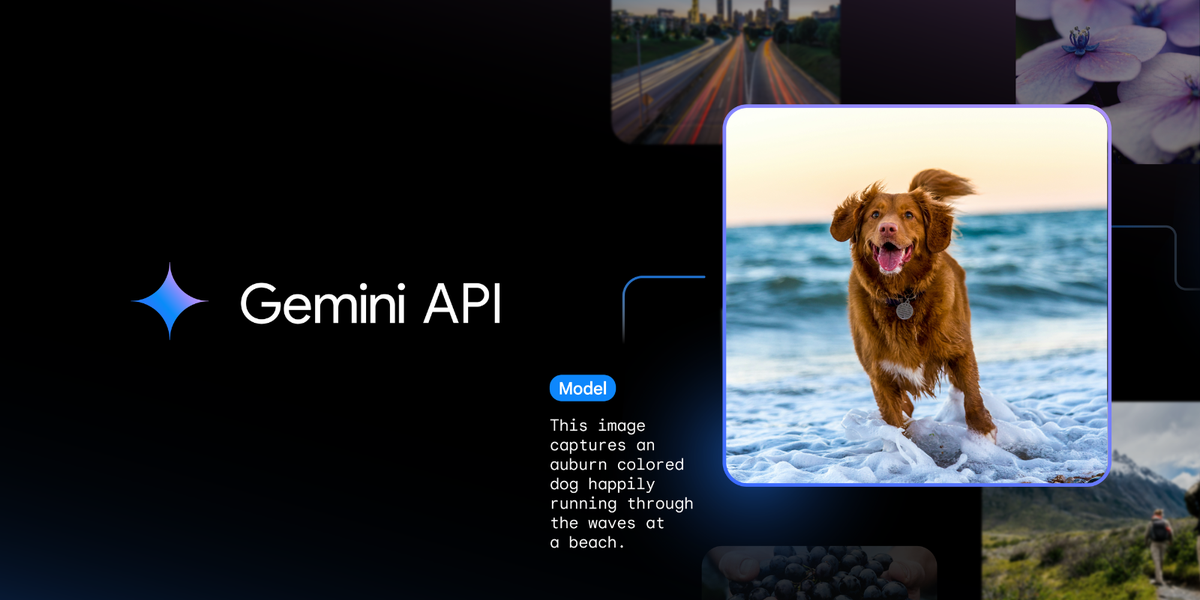
4 - Strengths:
Integration with Google tools
Multimodal (text + images)
Search-aware capabilities
Gemini shines when:
Researching topics with fresh data
Working inside Google Docs
Interpreting screenshots or diagrams
4️⃣ Microsoft Copilot (by Microsoft)


4
Strengths:
Deep integration into Office apps
Excel data analysis
Productivity workflows
Coding inside VS Code
Copilot’s real “skill” is augmentation:
Draft in Word
Summarize emails in Outlook
Analyze spreadsheets
Suggest code inline
It blends AI into tools people already use.
5️⃣ Grok (by xAI)


4
Strengths:
Real-time platform context
Social media awareness
Casual tone
Grok is often used for:
Live commentary
Trending topic summaries
Social-style interactions
So What Are AI “Skills” Really?
Underneath the branding, most advanced AI systems share the same core abilities:
Pattern-based language modeling
Multi-step instruction following
Contextual understanding
Tool execution via APIs
Massive statistical memory (but not actual memory of you unless enabled)
The difference is in:
Fine-tuning
Guardrails
Integrated tools
UX
Access to external data
The Pitfalls & Real Dangers
This is where it gets serious.
LLMs are powerful — but they are not magical.
1️⃣ Hallucinations (Confidently Wrong Answers)
AI may:
Invent sources
Fabricate statistics
Cite fake legal cases
“Sound right” while being incorrect
This happens because the model predicts what looks plausible.
For factual, financial, legal, or medical decisions — verify independently.
2️⃣ Over-Reliance
If you:
Stop thinking critically
Let AI draft contracts without review
Copy code without understanding it
Publish without fact checking
You risk compounding errors.
AI should augment thinking, not replace it.
3️⃣ Privacy Risks
Anything you paste into:
A public AI tool
A shared workspace
Or a system without enterprise guarantees
May:
Be stored
Be logged
Be reviewed for safety purposes
Never paste:
Trade secrets
Client data
Legal contracts
Medical records
Unless you understand the data policy.
4️⃣ AI Bias
These systems are trained on internet-scale data.
That means:
Cultural bias
Political bias
Historical inaccuracies
Representation imbalances
They reflect the training data of the world — including its flaws.
5️⃣ De-skilling
Long-term heavy use can:
Reduce writing fluency
Reduce critical thinking
Create dependency on structure
Reduce deep research habits
The goal should be:
Use AI to extend thinking — not outsource thinking.
The Healthy Way to Use AI
Think of AI as:
A research intern
A brainstorming partner
A drafting assistant
A code collaborator
But not:
A final authority
A legal advisor
A medical professional
A financial fiduciary
The Bigger Picture
We are at a moment similar to:
The invention of the search engine
The rise of the calculator
The introduction of spreadsheets
Those tools didn’t make humans obsolete.
They amplified productivity — but only for those who understood the underlying fundamentals.
AI is no different.
The “skill” isn’t just in the model.
The real skill is in the human using it:
Asking better questions
Framing problems clearly
Verifying outputs intelligently
Knowing when not to use it
That’s the new literacy of this era.
And it’s only just beginning.